You invested. Built a business. Bought property. Protected your family. Planned for retirement.
Each of these decisions was sensible.
The problem is not the decisions. It is the fact that nobody designed them to work together.
smzh was built for the moment when financial life stops being a collection of products – and becomes a system.
You have wealth. You have advisory. What's missing is the connection in between.
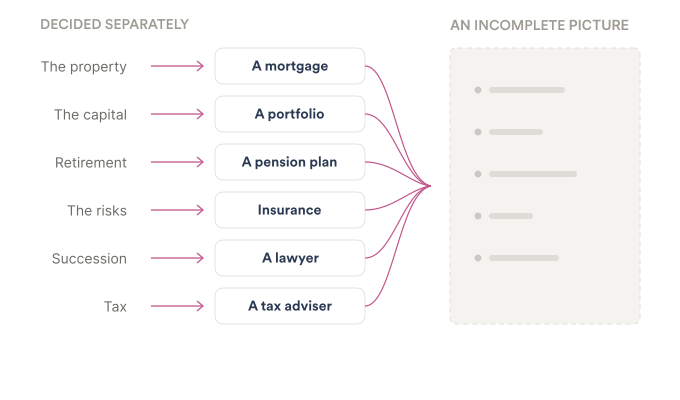
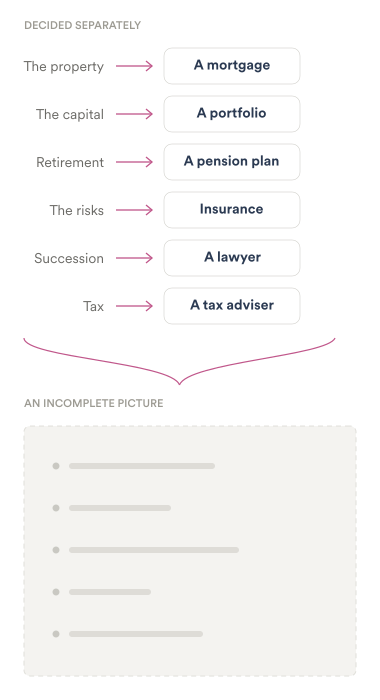
The financial industry has a product in response to almost every question. A mortgage for property. A portfolio for capital. A pension plan for retirement. Insurance for risks. A lawyer for succession planning. A tax adviser for fiscal consequences.
Each specialist can be right. A client can still end up with a set-up that is wrong.
The problem is not that banks, insurers, or fiduciaries do a poor job. They do good work, each of them within its mandate. But nobody is paid to ensure that all parts ultimately fit together.
After all, a mortgage impacts retirement. A company impacts private wealth. Property impacts liquidity. Succession impacts ownership. And taxes impact almost everything.
The costliest mistakes in finance are rarely caused by the absence of advice. They are caused by advice that was never coordinated.
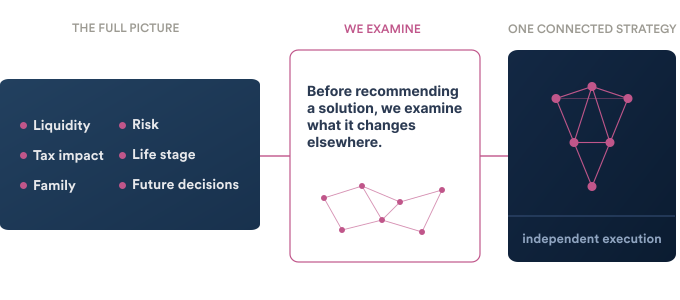
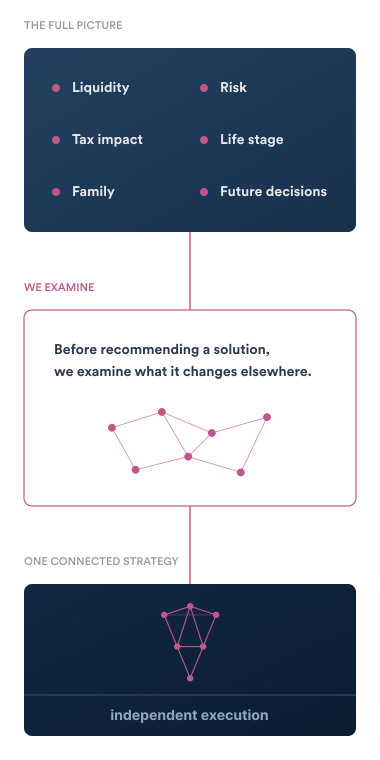
Before recommending a solution, we examine what impact it has on different areas.
What does a mortgage do to retirement? What does an investment decision do to liquidity and tax? What happens to family if an entrepreneur is suddenly absent? What happens to private wealth when a business grows faster than the structure around it?
This is not a matter of product selection. It is a matter of financial architecture: advisers, specialists and decisions brought into one structure, with one party responsible for the outcome as a whole.
More expertise does not automatically translate into better advice. Sometimes it simply translates into more people for the client to coordinate.
Products are easy. Consequences are not.
We start with the whole, not the parts. No isolated recommendation without context.
You shouldn’t have to mediate between specialists. We coordinate, prioritize and make sure decisions fit together.
Solutions are deployed according to what your situation requires, not according to what a provider dictates.
Life, markets, family, taxes and goals keep evolving. So does structure.
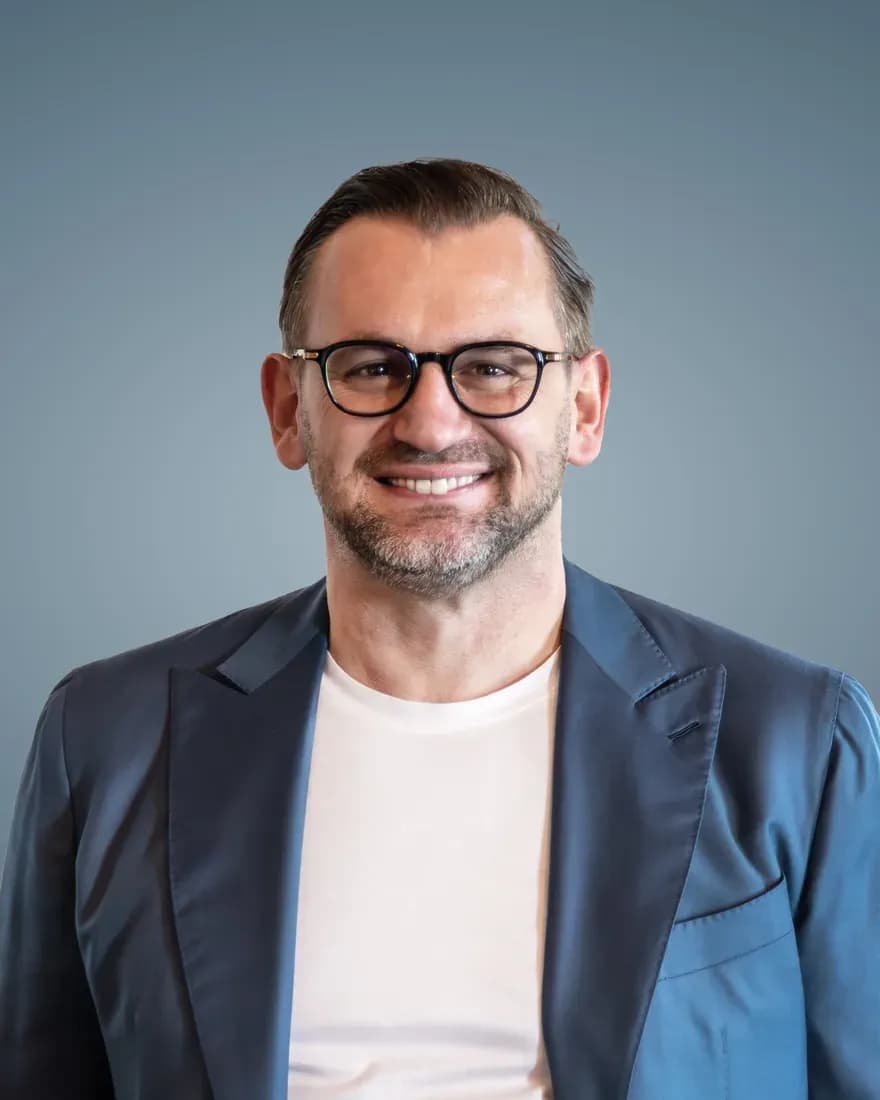
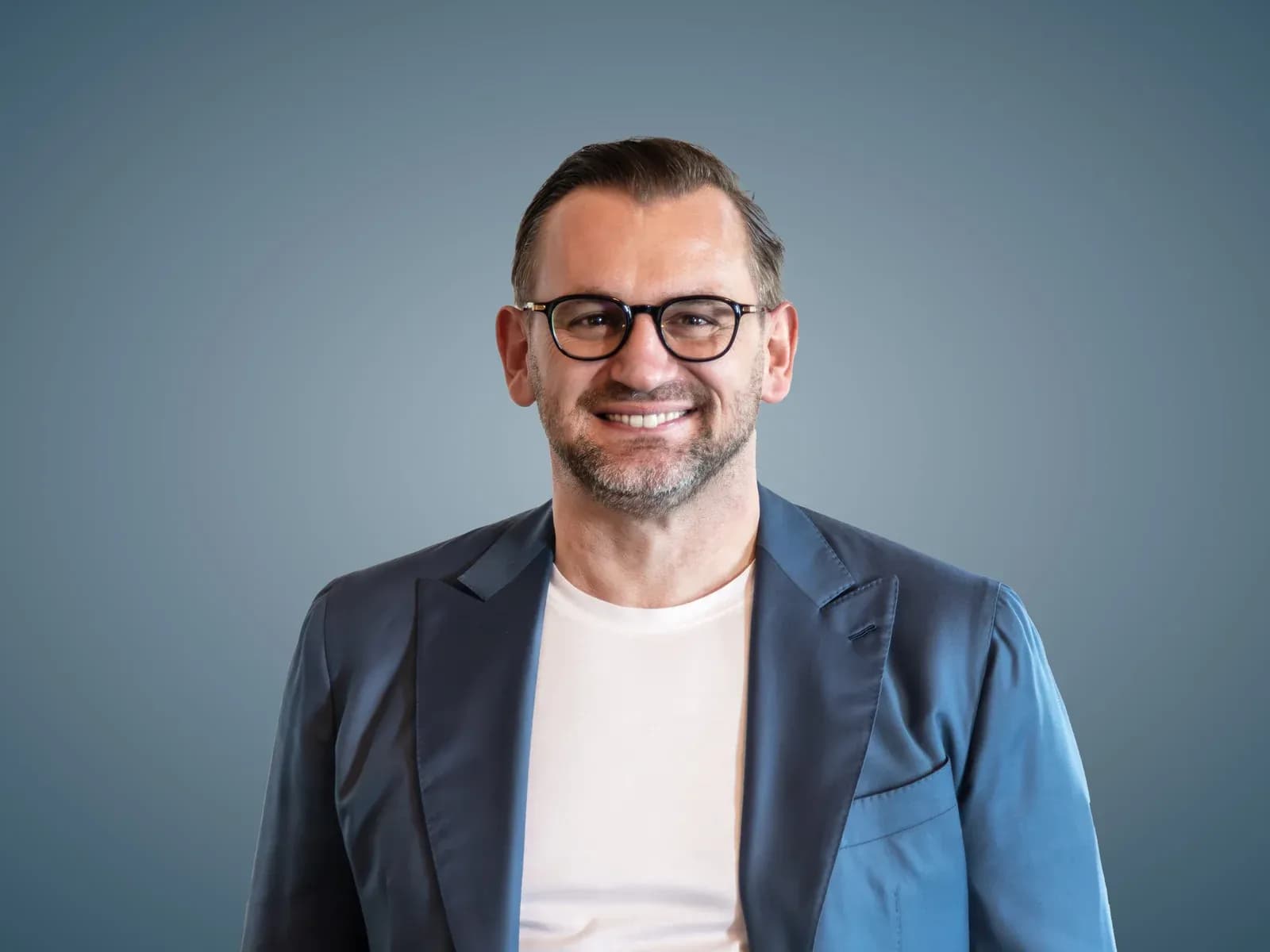
– Gzim Hasani, CEO and Managing Partner, smzh ag
I didn’t grow up around family offices, private banks or inherited networks. No one explained to me how wealth was structured, protected or transferred. No doors opened because of my name.
Looking back, that distance became my advantage.
At Credit Suisse and Julius Baer, advising ultra-high-net-worth families, I saw how complex wealth is actually managed: with structure, scenarios, specialists – and one person responsible for the whole. These families' advantage was never just access to better products. It was having a person who was responsible for the whole.
I also saw who was excluded from that level of coordination. A family buying its second property takes interconnected decisions. So does an entrepreneur whose company has outgrown the structure around it. So does a professional approaching retirement with assets spread across pension, property, investments and insurance.
Complexity does not wait for someone to become ultra-wealthy. The industry does.
In 2018, I took over smzh – at the time, it was a firm of three people. Today, smzh employs more than 200 people, serves over 18,000 clients, and is active in 13 locations across German-speaking Switzerland. We didn’t grow by making traditional advice more affordable. We grew by organizing financial advice differently.
If your situation has grown faster than the structure behind it, then that is exactly the topic we should talk.
I never intended to build smzh around my own judgment, personality or network. That may work for a boutique. It doesn’t build an institution. Institutions are built when good decisions stop depending on exceptional individuals.
The real entrepreneurial task is to turn individual excellence into a system: a method that can be taught, tested, improved and delivered consistently across an organization.
It is no longer my job to provide the best answer in the room. It is to build a company capable of producing better answers than I ever could provide myself.
This is how smzh becomes more than a founder-led business. It becomes an advisory institution.
Returns still matter. So do taxes, mortgages and pensions. But the real questions become more concrete.
How much freedom does the family have? What happens if income stops? Which risks are acceptable? Which decisions become irreversible? And what should be dealt with now, rather than inherited later by the people you intended to protect?
This is why I believe financial advice should begin with responsibility, not products.
I built smzh for people who have created something worth protecting, but whose financial structure has kept pace with their lives.
Entrepreneurs. Families. Property owners. Professionals. People whose decisions have become too interconnected to be managed one product at a time.
They don’t necessarily need another advisor. They need someone to make the existing advisors function together.

Interest rates matter. AI matters. Property markets matter. But the useful question is rarely what happened. It is what the change means for ownership, risk, productivity, succession – and the decisions people now have to make.
I write about the point where finance, entrepreneurship and responsibility meet.
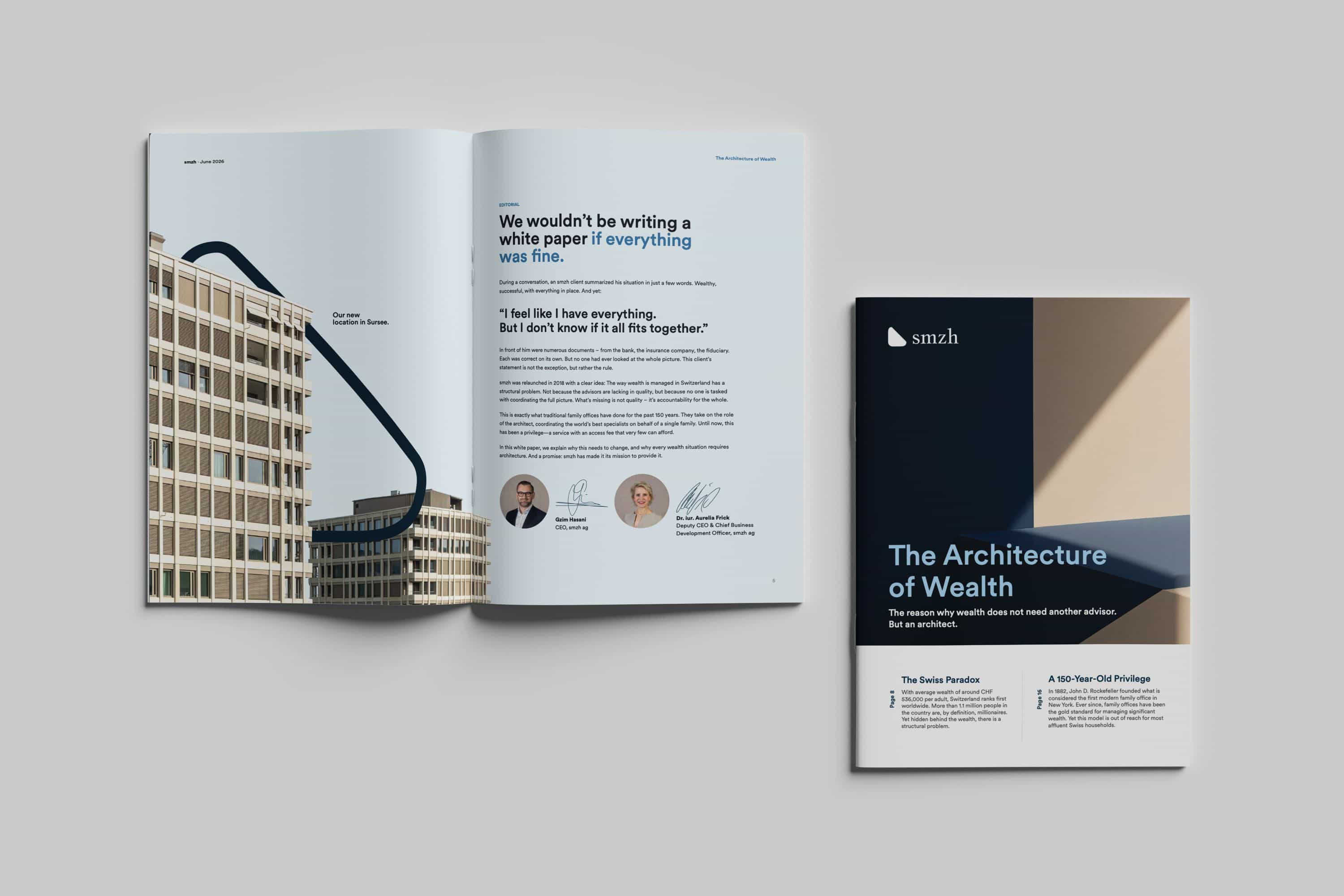
What happens when six advisers manage one fortune – and no one manages the relationship between their decisions?
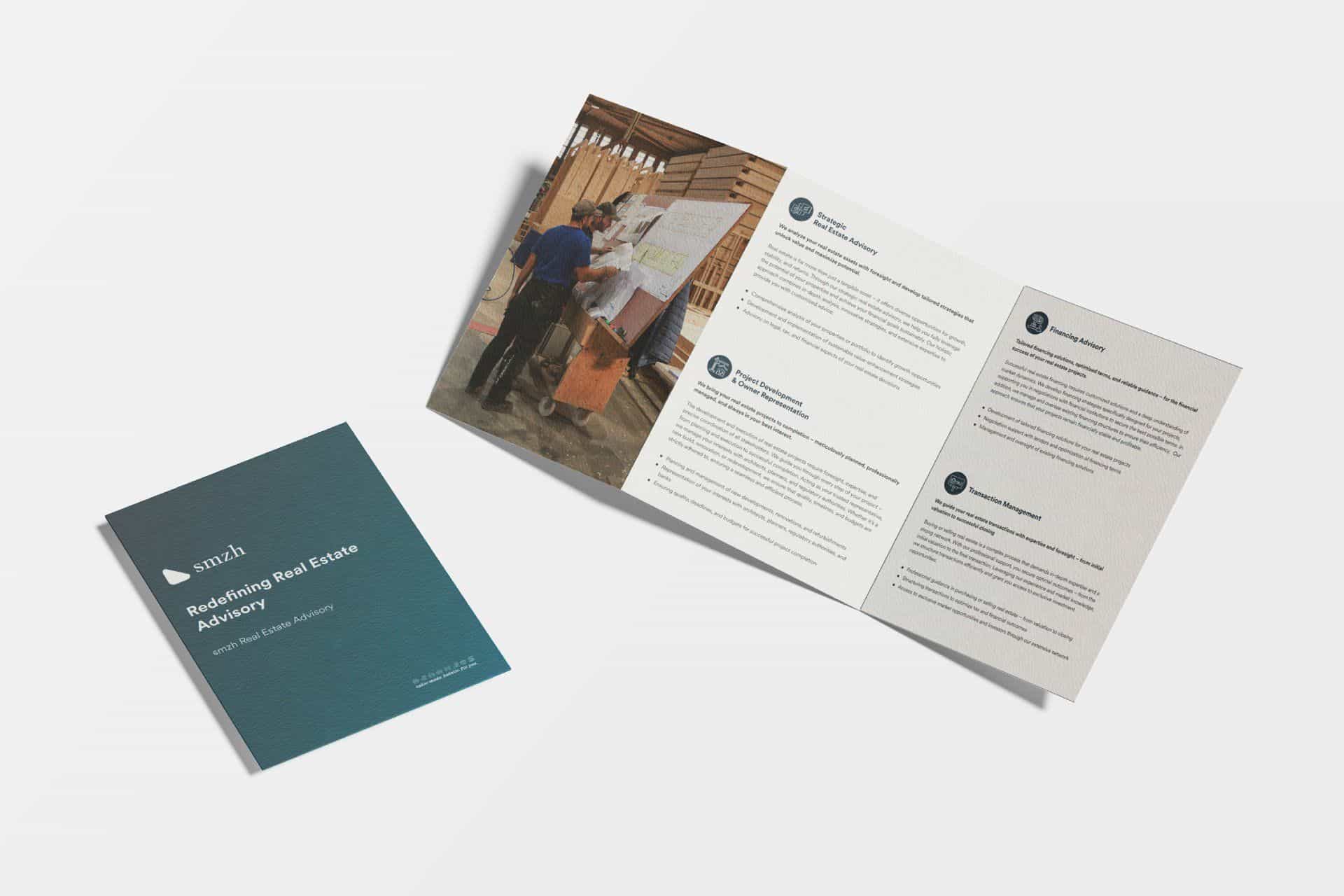
A property is not a strategy. It becomes one when financing, ownership, cash flow and potential are actively managed.

AI won’t merely make work faster. It will expose which organizations relied on effort because they lacked structure.
smzh is an independent Swiss advisory firm built around one idea: financial decisions should be managed as a system, not sold as separate products.
We coordinate pensions, mortgages, investments, tax, real estate, protection, legal questions and succession. Not because every client needs every discipline – but because no important decision should be made without understanding what it changes elsewhere.
With more than 200 employees, 18,000 clients and 13 locations, our task is not simply to provide access to specialists. It is to make them work as one advisory system.
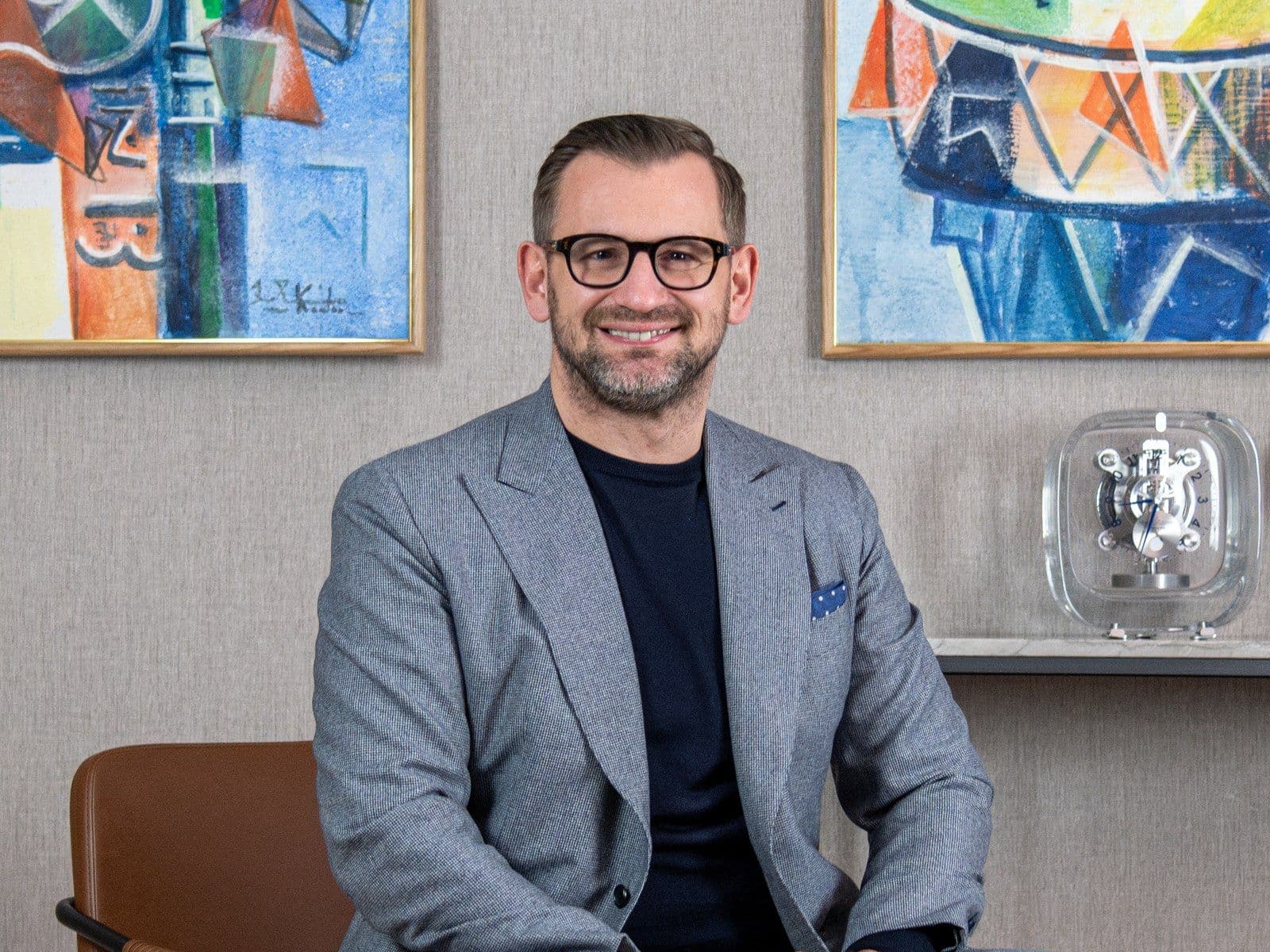
Five advisers. Five defensible decisions. No one responsible for how they work together.
Entrepreneurs who carried everything themselves for too long. Families for whom wealth becomes the next decision. Properties that are suddenly more than an object. Organisations that grow, yet still rest on individual shoulders.
On boards, in entrepreneur circles and in mandates, I keep seeing the same pattern:
Complexity grows faster than structure. That is what I talk about.
The first conversation isn’t about selling a product. It is about identifying where decisions reinforce one another, where they conflict – and which one matters next.
Financial complexity is rarely solved by doing more. It is solved by deciding in the right order.
A structured analysis of your current position: what’s in place, what’s missing, and what to address first.