
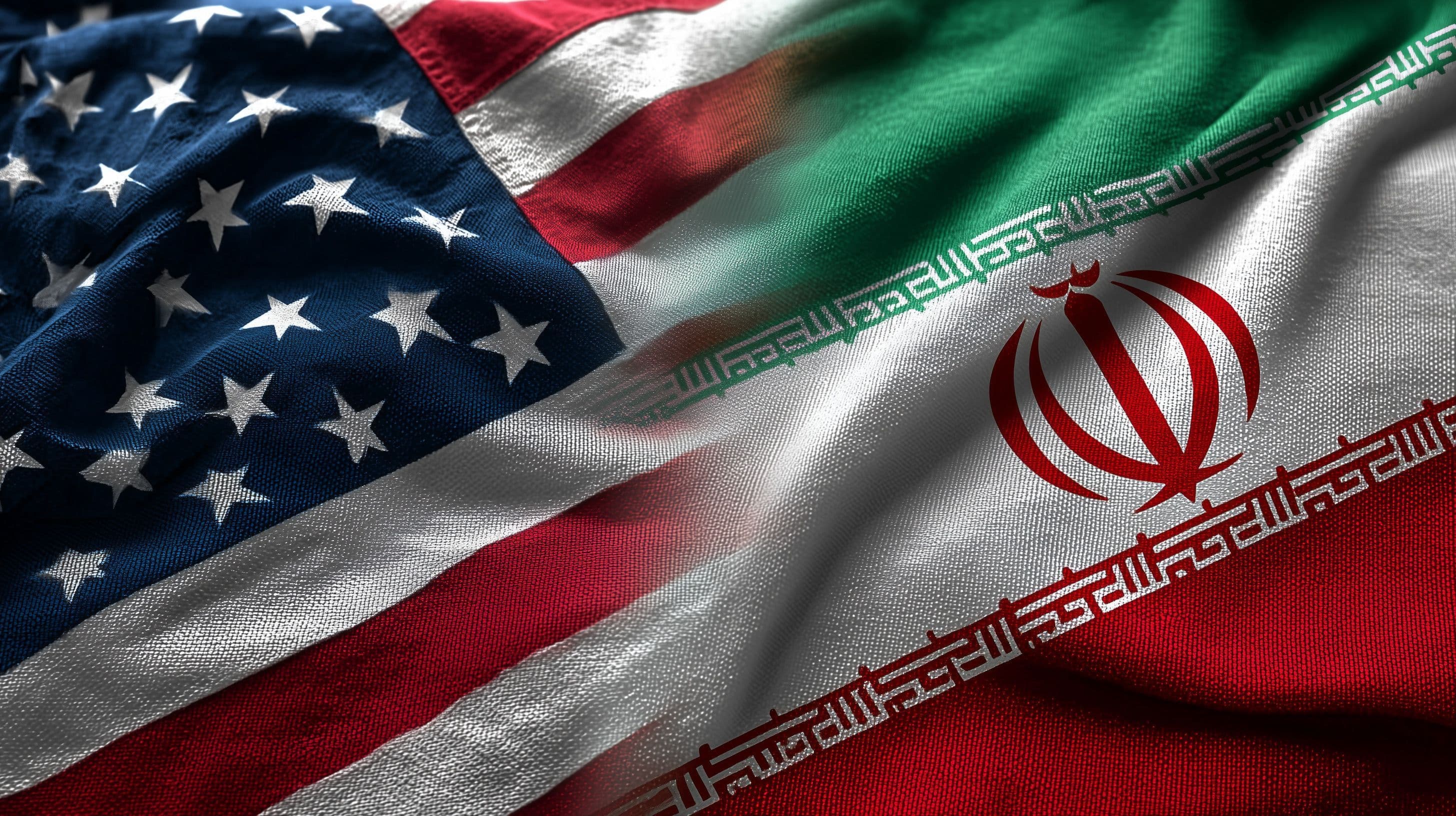
According to media reports, the United States and Iran have agreed on a memorandum of understanding to end the Iran war. The formal signing is scheduled for this coming Friday, June 19, in Geneva.
What we know and what remains unclear
While reports are describing a political breakthrough, specific details of the agreement remain unknown. It is unclear whether the deal goes beyond military de-escalation to include a nuclear agreement, or whether it merely serves as a starting point for subsequent negotiations on Iran's nuclear program. Also unresolved is the reliable implementation of the ceasefire in regional conflict zones, most notably Lebanon. While Iranian statements and Pakistan's mediation role formally include Lebanon in the agreement, Israel has frequently disputed this. Equally open are the timeline and practical logistics of reopening the Strait of Hormuz. These very points are critical to the scope and durability of the deal.
Financial market reaction
The market reaction has been immediate and as could be expected. Oil prices are extending their downtrend that has been in place since mid-May, with Brent crude trading at around USD 83 per barrel, the lowest level in roughly two months. At the same time, risk assets are benefiting, as a de-escalation in the Middle East reduces inflation concerns and geopolitical uncertainty. Among equity markets, regions with greater sensitivity to energy imports are outperforming today, particularly the Eurozone and emerging markets, while the Swiss equity market – considered more defensive – is also posting gains, albeit more modest in scope. Gold is responding with mild strength. The yellow metal has given back significant ground since the outbreak of war in late February, as war-driven energy price increases fueled inflation and rate concerns, which weighed on gold in a high-rate environment. That very dynamic is now reversing, which is why falling oil prices are providing moderate support for gold today.
Implications for investors
For investors, the deal primarily signals a declining geopolitical risk premium. In the near term, this is supportive of risk assets such as equities and cyclical sectors, while oil producers and other energy stocks may face relative headwinds. This development is unquestionably positive and is rightly being welcomed by markets. At the same time, caution remains warranted, as the political implementation and the precise scope of the agreement have yet to be fully clarified.
What remains critical, however, is proper context. Long-term, professional investing does not depend on individual geopolitical events, however welcome they may be. What matters more is a financial plan, a personal risk profile, and individual goals. It is these that determine how and when to invest – not the latest headline. An agreement like this improves the environment, but it neither replaces a well-considered investment strategy nor the discipline required to execute it.
How are the smzh Invest strategies positioned?
The investment strategies and portfolios of smzh Invest already largely reflect this picture. Within fixed income, the current focus is on emerging market bonds and a measured allocation to high-yield bonds, alongside the core allocation to high-quality Swiss franc bonds. Within the equity allocation, the strategies already emphasize the Eurozone, emerging markets, and US equities at the expense of the Swiss home market, which is intentionally and modestly underweighted as a result. Within alternative investments, gold continues to serve as a portfolio complement.