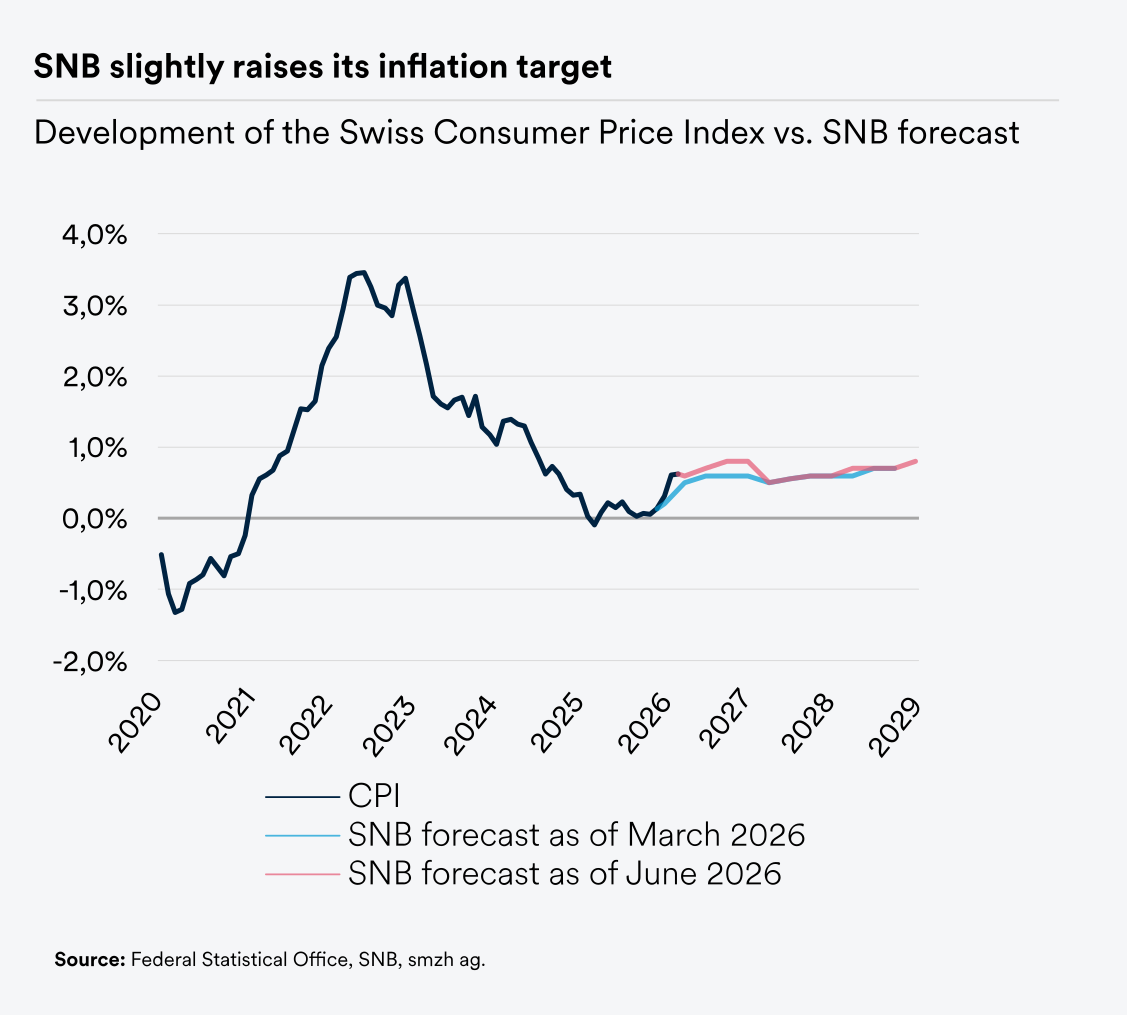
Switzerland's electricity mix – heavily reliant on hydropower and nuclear energy – also provides a partial buffer against the oil price shock stemming from the conflict in the Middle East. This effect is primarily limited to electricity prices, however. Fuel and heating oil remain tied to crude oil prices and feed directly into the national consumer price index. On balance, there is nonetheless good reason to expect inflation to stabilize near current levels in 2026 and 2027. Relative to other central banks – the ECB in particular – the SNB finds itself in a comparatively comfortable position.
Communication in focus
Since inflation remains in the lower portion of the target range, a change in policy direction carries little urgency from a price stability standpoint. The exchange rate therefore remains the central focus. Throughout the year, the SNB has signaled a heightened willingness to intervene in foreign exchange markets. Crucially, however, intervention is not triggered by a specific exchange rate level, but by a rapid and excessive appreciation of the franc. The SNB is therefore most likely to act during abrupt currency moves, while a gradual franc adjustment is less likely to prompt intervention. This logic is more important to understanding future FX market activity than any single rate level.
Growth remains positive but subdued
The real economy equally provides no case for a policy shift. Real GDP growth of approximately 1% is projected for 2026. The SNB characterizes near-term economic momentum as muted, while anticipating a partial recovery over the medium term. The Middle East conflict remains a meaningful source of uncertainty, though Switzerland's economic structure offers certain advantages relative to its peers, and the inflationary impact of the energy shock has so far remained limited.
Implications for interest rates and credit markets
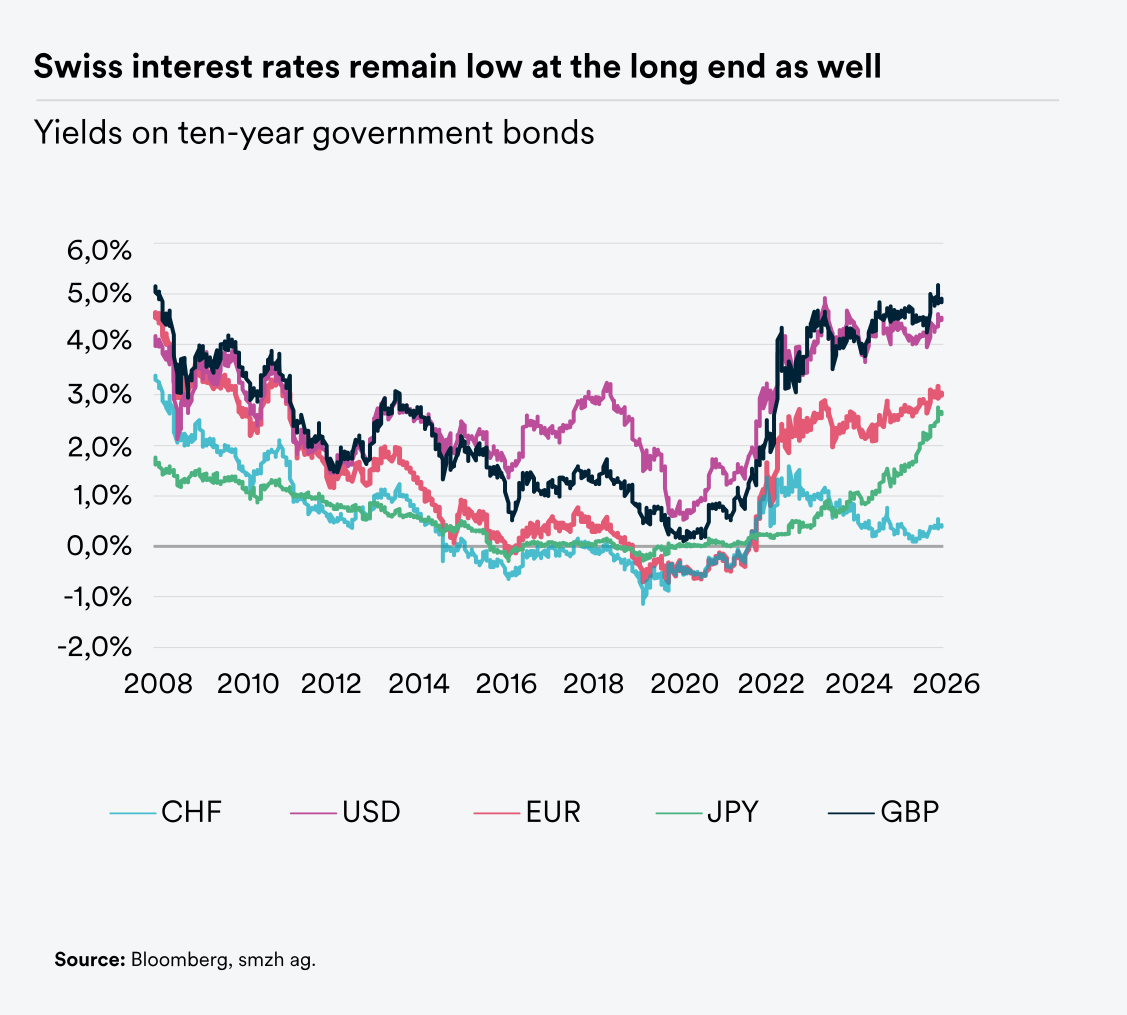
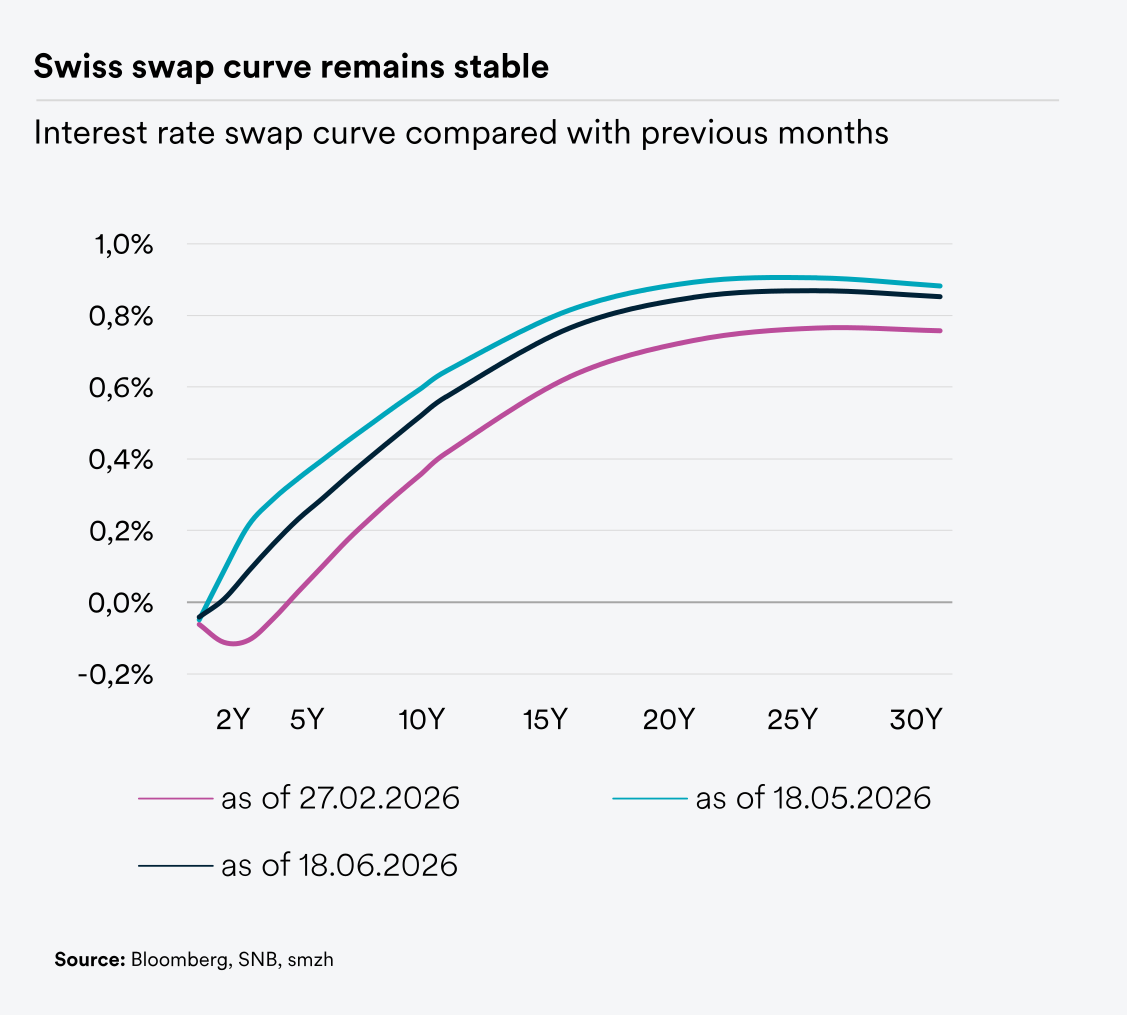
The decision confirms a near-term environment of stable, low interest rates. As long as the SNB keeps its policy rate at zero and its communication does not shift noticeably in a more restrictive direction, we view the probability of an imminent rate hike as low – even as swap rates continue to price in a residual risk of tightening by year-end.