
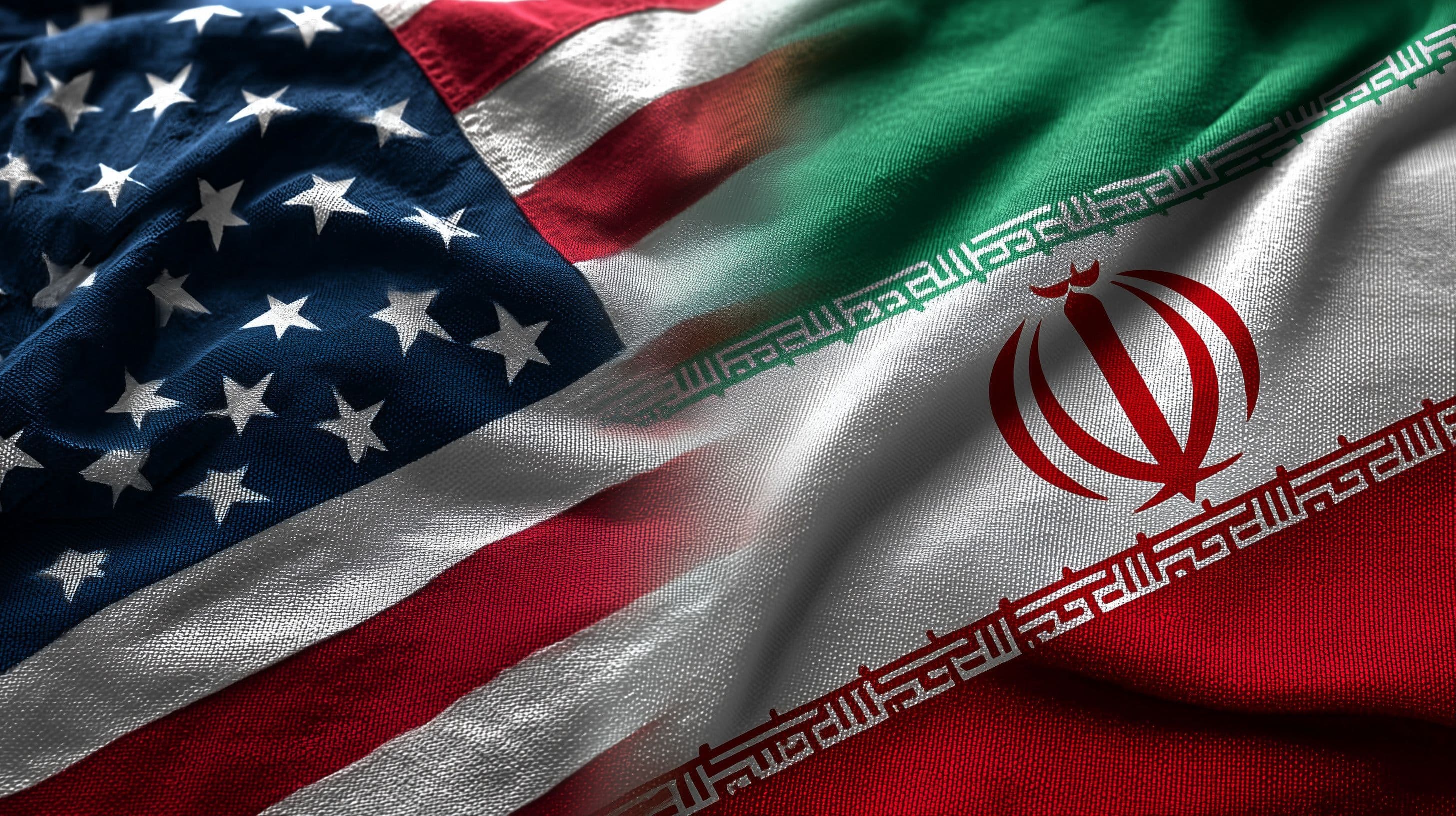
The United States and Iran have agreed to a two-week ceasefire. In exchange, Iran will reopen the Strait of Hormuz. The agreement gives both parties time to negotiate a longer-term solution to end the conflict, which is now in its sixth week.
How should this ceasefire be interpreted?
While long-awaited, the ceasefire is largely viewed as a temporary de-escalation, as significant differences persist between the demands of the US and Iran. Both sides are presenting the agreement as a “victory,” yet disagreements remain over the terms of a lasting peace settlement.
This move also marks a clear shift from US President Donald Trump's sharply worded message on social media earlier this week, in which he warned that “an entire civilization could die tonight, never to be brought back again” should Iran not comply. His threats to target Iran’s civilian infrastructure, including power plants, could have constituted war crimes if they had been carried out.
How financial markets are responding
Financial markets have reacted almost euphorically to the news: the price of Brent crude oil dropped as much as 15% to just above USD 90 per barrel. Equity markets are also seeing significant gains. Overall, there is a marked sense of relief and a return of risk appetite in global financial markets. Attention is now turning back to the Strait of Hormuz and whether shipping can safely resume passage through this critical trade route.
Is now a good moment to enter markets?
It is still too early to consider the current de-escalation a sustained easing of tensions. The sobering reality remains that the ceasefire is likely fragile, leaving financial markets highly sensitive to headlines and new developments in the negotiations. Hopes are focused on a partial normalization around the Strait of Hormuz, which could provide some relief to strained supply chains for oil, gas, refined energy products, and fertilizers over the coming two weeks. However, a rapid return of energy prices to pre-conflict levels is not expected, as parts of the regional energy infrastructure have suffered significant damage.
Even so, the de-escalation represents a positive development. As we noted last week, the correction has created technically attractive entry points for investors. Thanks to still solid earnings expectations, the recent equity market correction has resulted in a meaningful reset of valuations – especially in the technology sector, which now appears particularly attractive by historical standards. Other segments hit harder during the correction, such as Eurozone and emerging market equities, may also benefit from a sustained recovery. These segments are prominently featured in all our smzh Invest investment strategies, meaning these strategies remain well positioned for a potential market rebound.
Hesitation is understandable – Staggered investing to reduce risk
Even though valuations have improved as a result of the correction, many investors remain hesitant given the lingering uncertainty. A staggered investment approach can offer a solution in this environment. It combines discipline with flexibility, enabling controlled action rather than waiting for an elusive “perfect” entry point.
Staggered investing means allocating capital in several tranches over a predefined period – for example, in three to five steps over several weeks. The aim is to take advantage of market fluctuations and average the entry price. The key is discipline: tranches should be implemented regardless of short-term market performance. Whether markets are rising or falling, the plan remains unchanged. This approach minimizes emotional decision-making in favor of a systematic process.