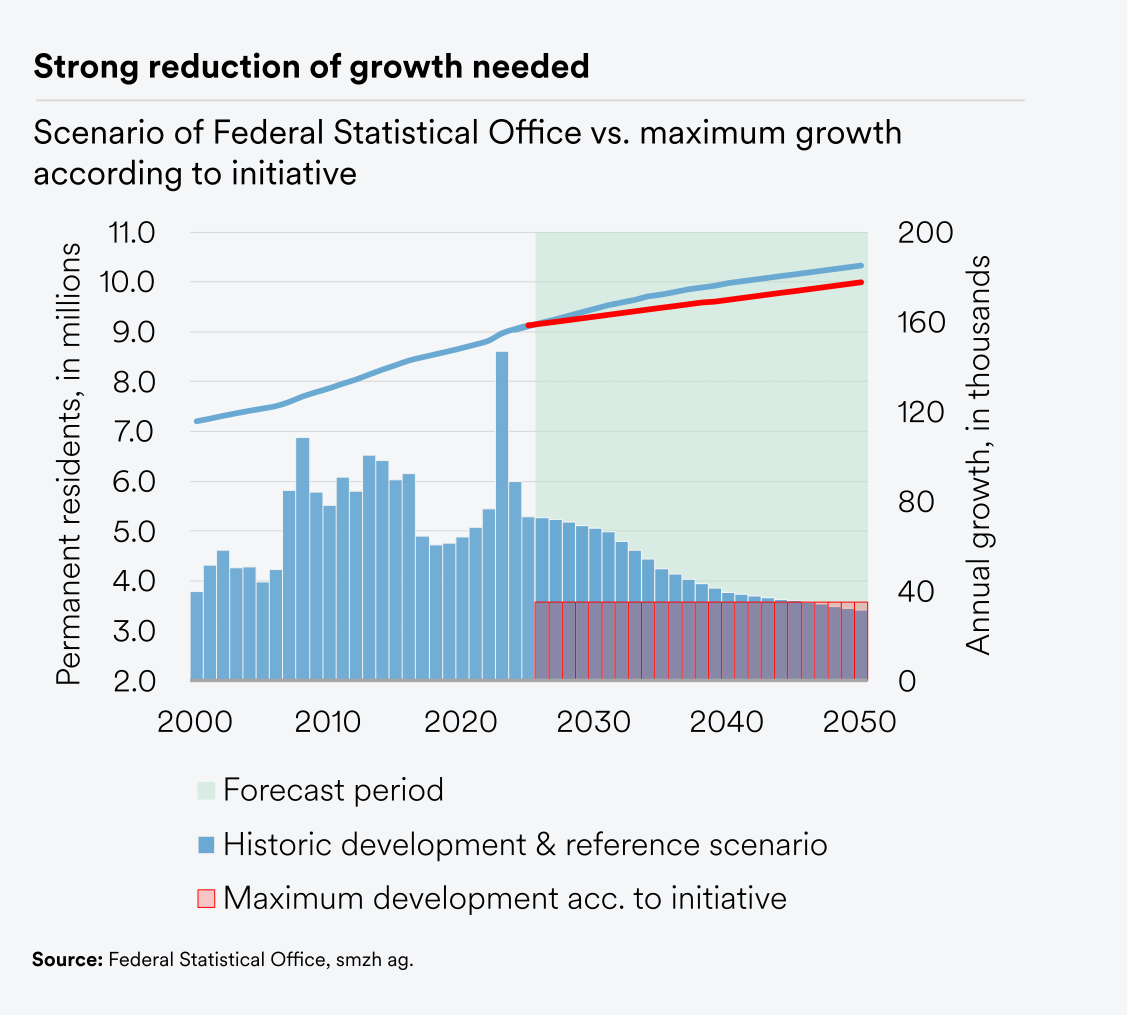

On 14 June 2026, Swiss voters will decide on the so-called Sustainability Initiative, also known as the “No to a 10-million Switzerland!” initiative. The proposal stipulates that the permanent resident population of Switzerland must not exceed 10 million people by 2050 and, in the event of continued high population growth, ultimately calls for the termination of the Agreement on the Free Movement of Persons with the European Union.
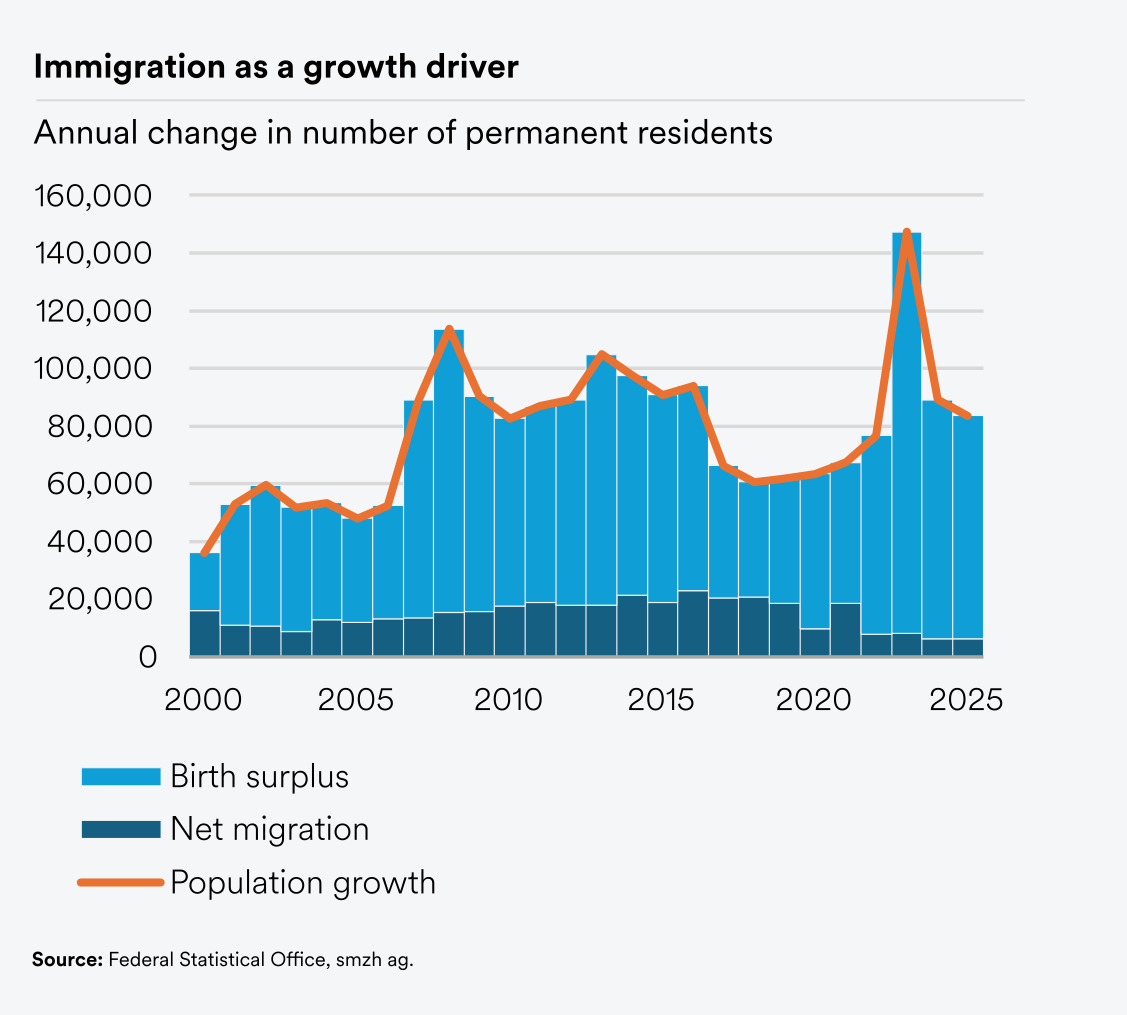
Since the introduction of the Free Movement of Persons in 2002, Switzerland’s permanent resident population has increased from just under 7.3 million to approximately 9.1 million people. Around 80% of this growth is attributable to net immigration, corresponding to an average annual net migration of about 65,000 people. While many European countries are likely to face stagnating or even declining populations in the future, continued growth is ex-pected for Switzerland.
As this development unfolds, social tensions are also increasing. An ever-growing share of the population associates population growth with rising rents, housing shortages, and overburdened infrastructure. Recent surveys indicate that there is a real chance of the initiative being accepted. In the following paragraphs, we outline why the termination of the Free Movement of Persons would effectively become the central lever if the initiative is strictly implemented, and why this would not only leave existing problems unresolved but could also create new areas of tension.