USD weakness, EUR strength – and an even stronger franc
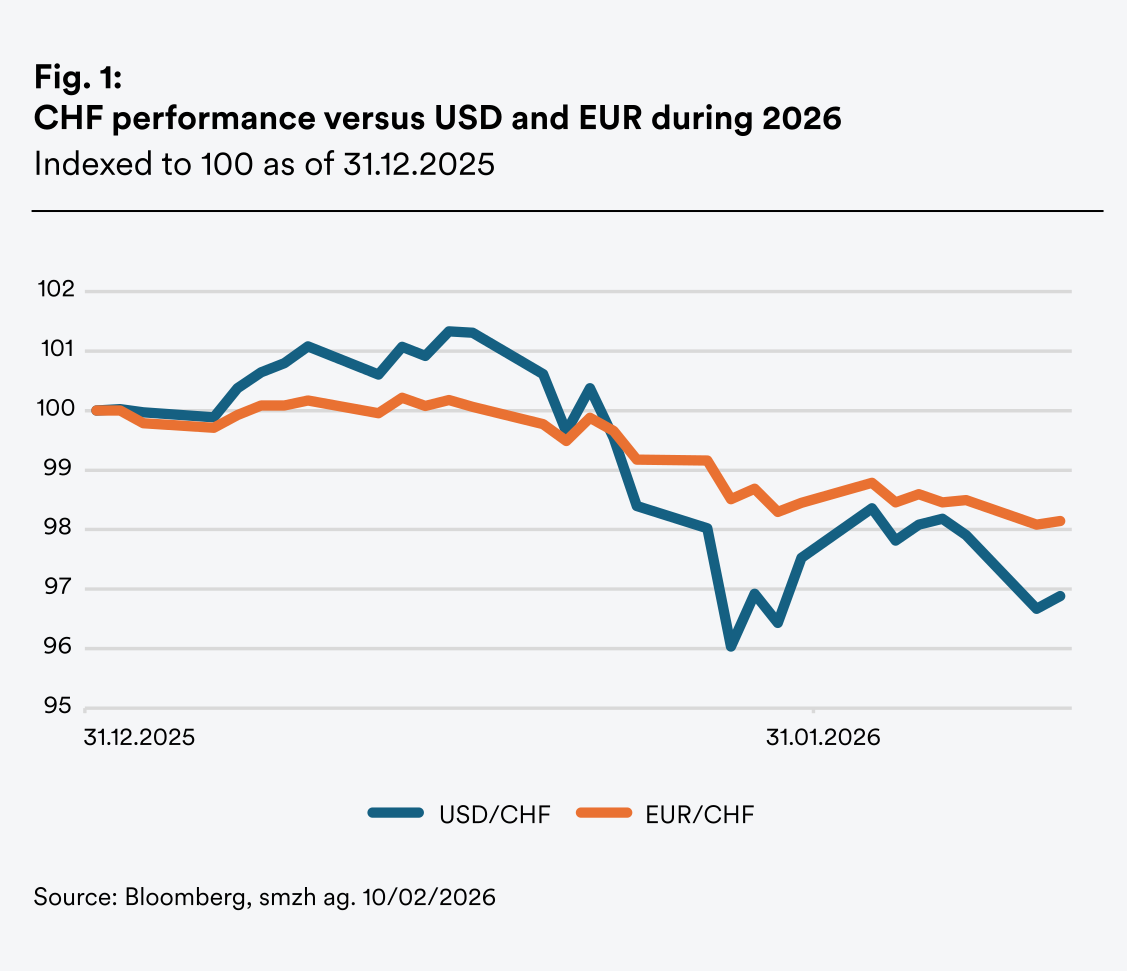
Persistent US-dollar weakness remains the dominant theme in global FX markets. A weaker dollar supports the euro, which in turn increases pressure on the ECB to consider rate cuts to curb EUR appreciation. This ultimately leads to CHF appreciation against the euro, as markets do not expect the SNB to intervene.
Drivers of USD weakness
The US dollar remains under pressure for several reasons. Rising government debt, fiscal and trade deficits, and the still unclear policy direction of the Federal Reserve following the nomination of Kevin Warsh all weigh on sentiment, as investors have yet to interpret the signalling effect of the latter. Economic data also present a mixed picture: while overall economic growth remains solid, labor-market weakness may require further rate cuts even amid persistent inflation. Falling nominal rates and sticky or rising inflation depress real rates and further weaken the dollar. Additional pressure emerged this week following a Bloomberg report that Chinese authorities instructed domestic banks to further reduce holdings of US Treasuries due to volatility and concentration concerns. The ongoing erosion of confidence in the US dollar therefore continues.
SNB: Stay inactive or intervene?
The SNB faces a demanding monetary policy deliberation. A strong currency reduces import prices and can dampen inflationary pressure or even reinforce deflationary tendencies. At the same time, an excessively strong Swiss franc hampers the competitiveness of the export-oriented Swiss economy, as foreign demand for Swiss goods declines.
SNB policy tools: FX intervention and negative rates
The SNB’s primary instrument remains FX intervention, purchasing foreign currency against francs to weaken the currency. While well-known, the effectiveness of this tool is limited and may have political and technical consequences. The SNB also aims to avoid being labeled a "currency manipulator," acting instead within its price-stability mandate.
Another option would be to reintroduce negative interest rates. SNB Chairman Martin Schlegel has repeatedly stated that the central bank would consider such measures if necessary, although the threshold is high and the policy would be economically and socially unpopular. In practice, the SNB currently relies on a zero-rate policy, which markets broadly expect to remain in place.
Fundamental valuation of the franc
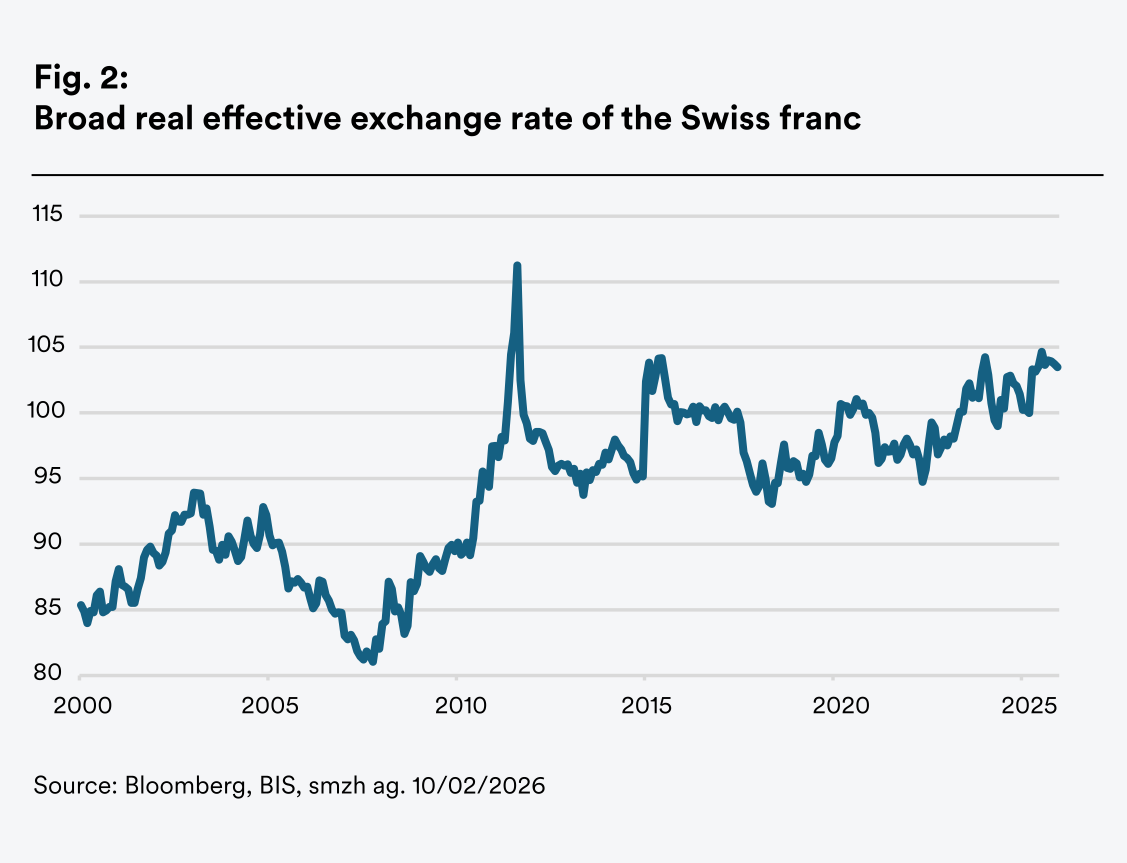
Although the franc appears overvalued on many nominal measures, fundamental models such as PPP (purchasing power parity) and REER (real effective exchange rate) indicate that – given lower inflation, high purchasing power and productivity advantages – it remains within a range that cannot be clearly classified as overvalued. Rather, the franc trades at a structurally justified level.